


Press Kit
Facts, bios, and assets for media, booksellers, podcasters, and event planners. Everything on this page may be quoted.
Booking & speaking
Alicia Nicole brings emotionally grounded keynotes, poetry performances, literary readings & conversations, and healing-centered workshops to stages, classrooms, women’s circles, and gatherings. If you’d like this voice in your room, tell her about your event below and she’ll follow up personally.
- Motivational & keynote speaking
- Live poetry performances
- Literary readings & conversations
- Healing-centered workshops
- Women’s circles & educational events
Prefer email? Write bookings@authoran.com — or see the full speaking page.
Fast facts
- Name: Alicia Nicole, writing as Author Alicia Nicole
- Roles: Poet · Author · Cultural Architect
- Official sites: authoran.com · authoralicianicole.com
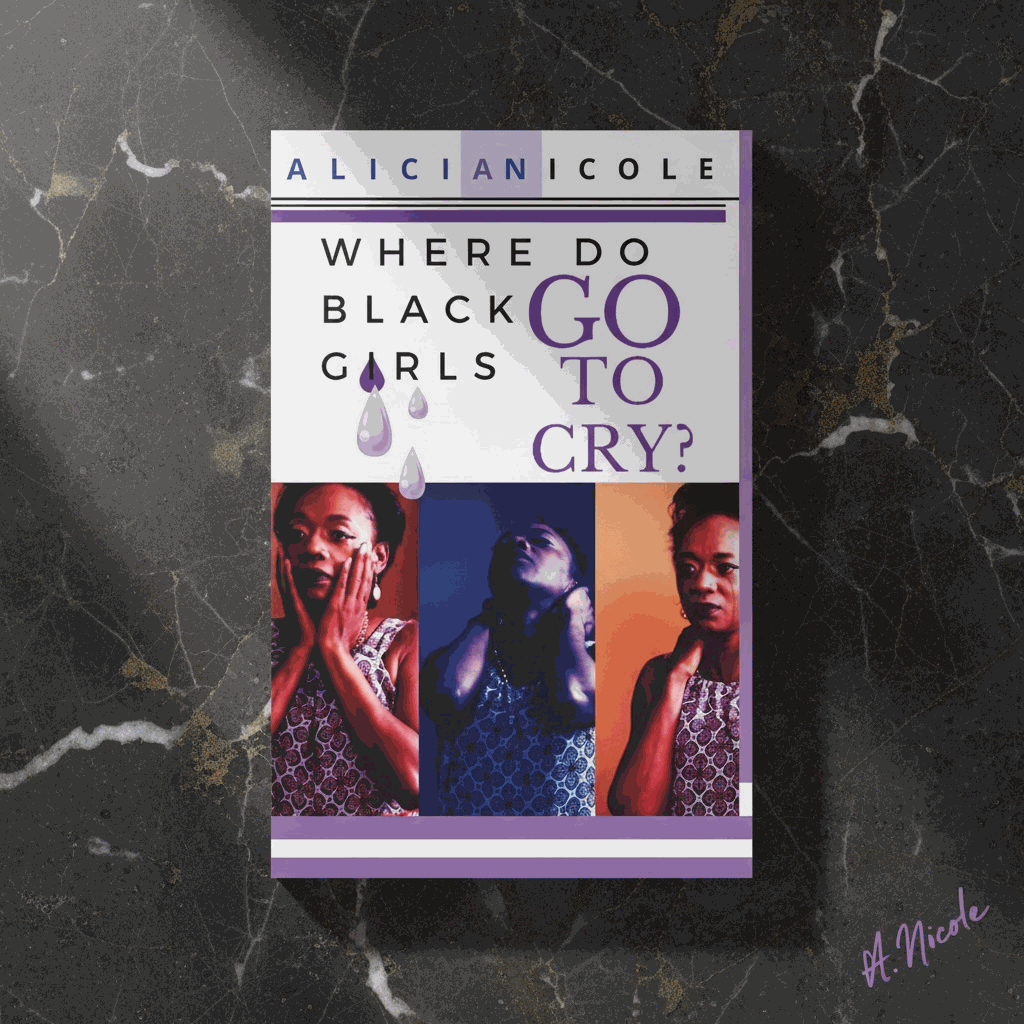
- Novel: Where Do Black Girls Go To Cry? — Author’s Cut, Second Edition · ISBN 979-8-9946155-1-5 · published February 4, 2026 · $19.20 / signed $24.99
- Children’s book: Good Night, I Love You. See You in the Morning. · $12.99 / signed collector’s $15.99
- Essay: The Names They Gave Us Were Never the Whole Truth — free at authoran.com/the-names-they-gave-us (~31-minute read)
- Spoken poetry: ten pieces at authoran.com/listen
- Contact: hello@authoran.com · bookings: bookings@authoran.com
One-line bio
Alicia Nicole is a poet, author, and cultural architect whose work gives language to Black womanhood, healing, and the interior life.
Short bio
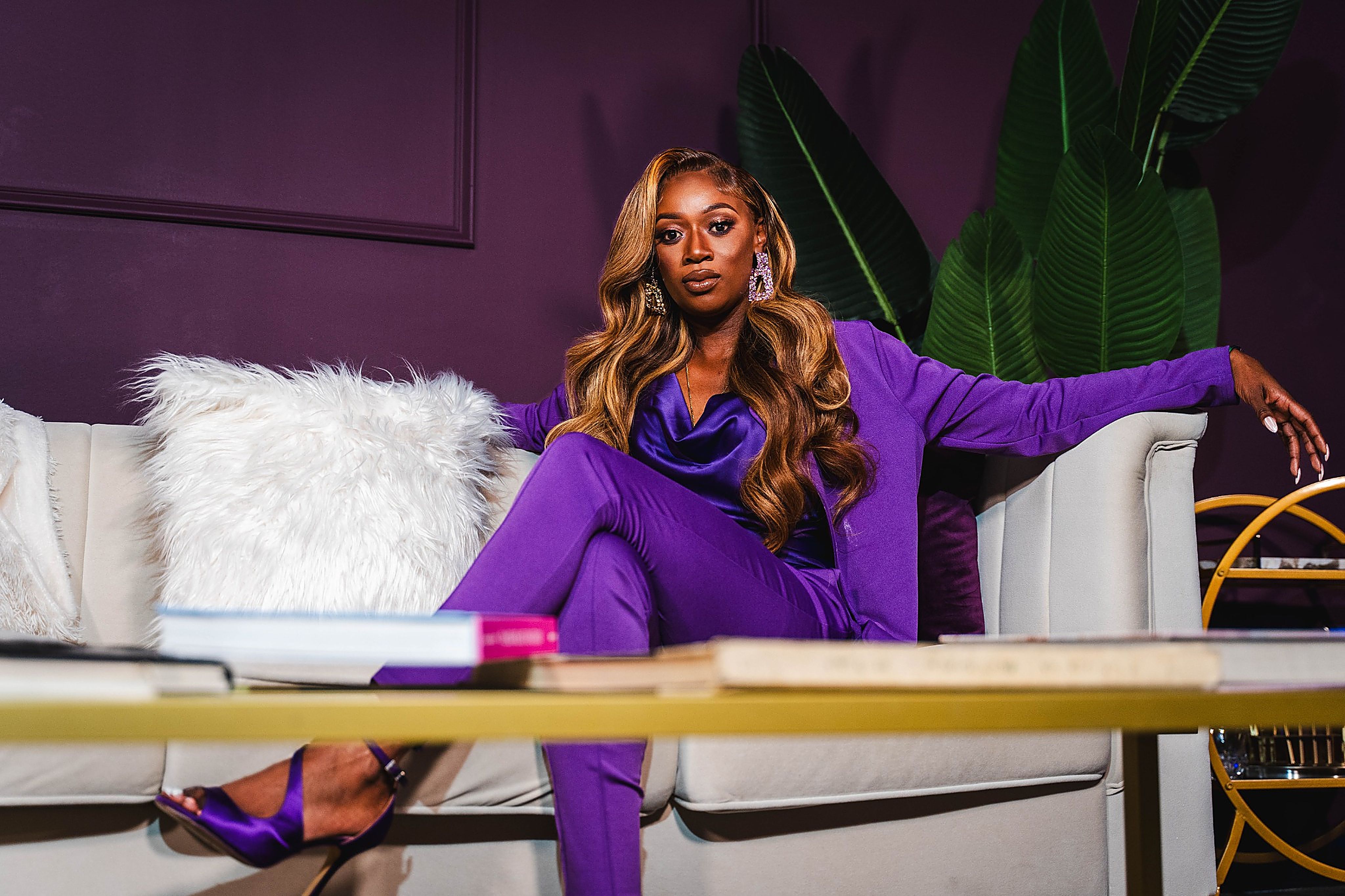
Alicia Nicole — writing as Author Alicia Nicole — is a poet, author, and cultural architect. She is the author of Where Do Black Girls Go To Cry?, the Author’s Cut novel — drawn from lived experience — about parking lots, psychiatric wards, and what comes after surviving, and the bedtime series Good Night, I Love You. See You in the Morning., written for children and the adults who tuck them in. Her current collection, Program Override | Noble Victory, pairs poetry with historical translation; its centerpiece essay, The Names They Gave Us Were Never the Whole Truth, traces her own family line through six verified generations — from a woman born enslaved around 1842 to a 1714 colonial land patent — using the Freedmen’s Bureau contract, land patents, and census records her twenty-plus years of research uncovered. A student of African American Studies and a lifelong family archivist, Alicia writes for every reader who was told her silence was her strength.
Assets
Interview topics
- Where DO Black girls go to cry? — emotional honesty, survival, and healing
- Tracing an American family through slavery-era paperwork: the receipts are sacred
- Paper genocide: how the 1924 Racial Integrity Act rewrote identities with a pen
- Self-publishing and owning your platform as a Black woman author
- Writing bedtime ritual: why goodnight books matter